
We all want to be healthier and more energetic,
but it's still hard for us to put in the time and effort to become so.
Why is this?
우리는 누구나 생각합니다. 더 건강해지고 더 활동적으로 살고 싶다고.
하지만 시간을 내서 노력을 하기엔 쉽지 않은 문제죠.
왜 그럴까요?
Many of us try to change everything at once.
We stop eating carbs,
stop drinking soda,
stop eating fast food,
stop eating junk food etc...
At the flip of a switch, we stop everything at the same time.
사람들에겐 이런 습성이 있어요.
모든지 단 한번에 한순간에 바꾸려해요.
칼로리를 줄이고 탄산을 안마시고 패스트푸드와 살찌는 음식들은 모두 올스톱하죠.
갑자기 우린 한순간에 모든걸 멈추려 합니다.
Now this might work for some people,
maybe those who have hit rock bottom or
have gone/going through some kind of traumatic experience,
but for most people (myself included) who are just kind of in the middle,
this approach doesn't seem to work.
뭐.. 이런 사람들에겐 가능할 수 있어요.
완전한 실패로 좌절한 사람들.. 아니면 잊기힘든 트라우마를 겪은 / 겪어온 사람들 같은 경우라면 말이죠.
하지만 보통의 사람들에겐 (저를 포함해서) 이런 한번에 싹 바꾸려는 방식은 적절하지 않아요.
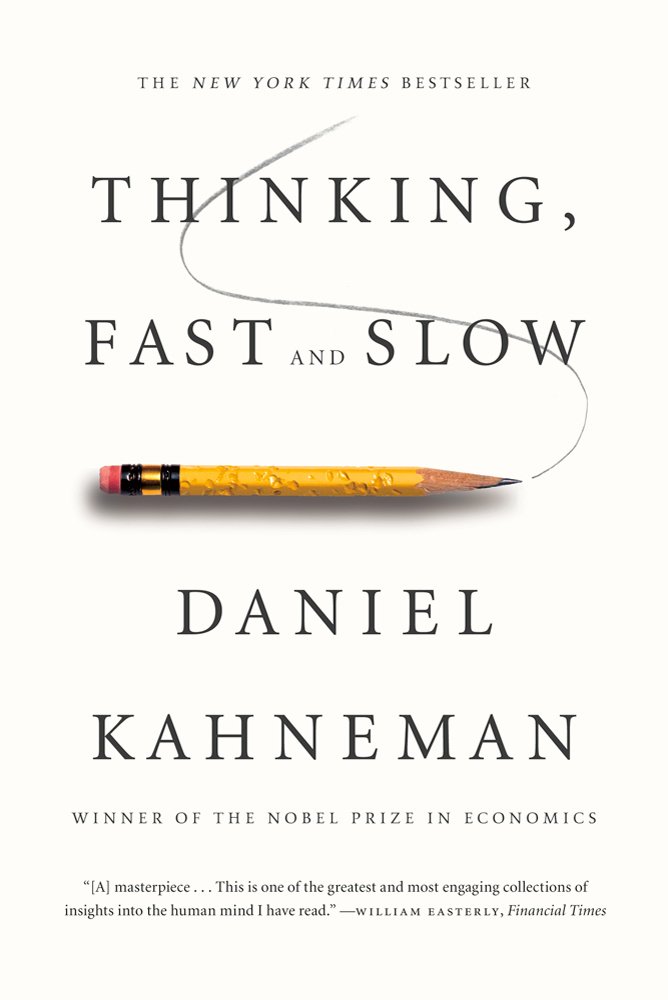
According to the book, "Thinking, Fast and Slow"
by Daniel Kahneman,
he talks about Loss Aversion.
This is the human tendency to fear losses more than we value gains.
저자 Daniel Kahneman 의 책 "Thinking, Fast and Slow" 에서 그는 "손실회피 성향" 을 이야기해요.
곧 얻게될 가치보다 잃는걸 더 두려워 하는 인간의 성향을 말하는거에요.
So when we have to stop eating junk food or having sugary drinks
(or other things that give us temporary pleasure
but are unhealthy in the long run),
we feel like we are losing something.
And when we try and stop everything at once,
we feel like we are losing too much so we become miserable when trying to improve ourselves.
앞서 말했듯 우리가 맛있는 정크푸드와 달콤한 설탕 가득한 음료들
(아니면 장기적으론 몸에 해로우나 일시적으로 당을 충족시켜주는 모든 달콤이들)
을 끊었을때의 오는 그 충격은 우리가 뭔가 인생의 낙을 잃었다 라는 느낌을 줄 수 있어요.
그리고 우리가 그런것들을 한번에 끊으려고 하면
내자신을 향상시킨다는 목적보다는 잃었다라는 슬픔이 더 크게 작용할 수 있어요.
Change Your Thinking
Instead of thinking about "stopping (and losing)" something bad,
think about "starting (and gaining)" something good.
Like, "eat more vegetables", not "stop eating junk food".
Or " drink lemon water", not "stop drinking soda".
When you do more of the good, you do less of the bad.
Then the bad eventually disappears.
생각을 바꾸자
나쁜것을 "멈추다(잃는다)" 라는 생각 대신에
좋은것을 "시작한다(얻는다)" 라는 생각으로 바꿔보세요.
예를들면, "정크푸드를 끊는다" 보다는 "야채를 더 먹는다".
아니면 "탄산을 끊는다" 대신에 "레몬워터를 마신다" 같이 말이죠.
좋은 것을 더 많이 할 수록 안 좋은것들은 줄어들게 되요.
그리고 서서히 사라지는거죠. 억지로가 아니라 자연스럽게.
One At A Time
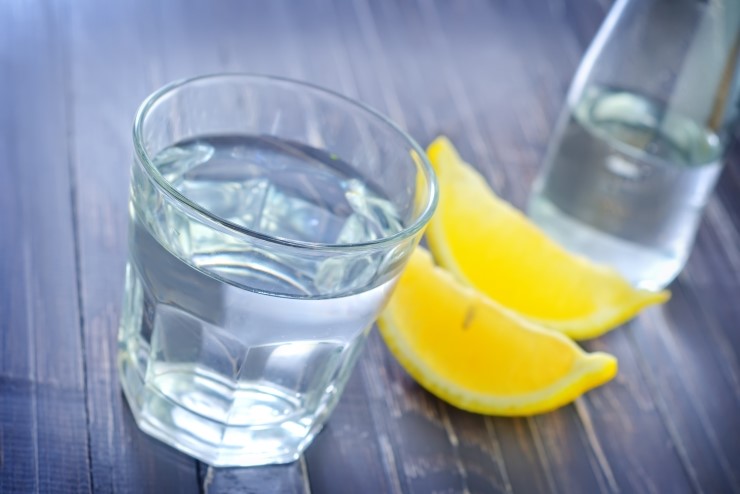
Last year, I decided to start drinking lemon water every morning.
After about a month and a half, it became a habit.
What happens after we make a good habit?
Other good habits form as well.
(And vice versa, one bad habit will bring other bad habits)
Once I got used to the taste of lemon water, soda and other sugary drinks were just too sweet so I no longer craved them anymore.
Next, I moved on to eating (mostly) vegetables everyday.
Once that became a habit, bye-bye fast food, junk food.
한번에 하나씩
작년에 전 매일 아침 레몬즙을 넣은 물을 마시려고 결정을 했고
한달 반 정도 지나자 자연스런 습관으로 바뀌었습니다.
우리가 좋은 습관을 만들면 무슨일이 일어날까요?
다른 좋은습관들도 하나둘 몰려오게 됩니다.
(다른말로하면, 나쁜습관 하나는 또다른 나쁜습관들을 낳는다 겠죠.)
한번 레몬워터에 맛에 빠지게되자
더이상 탄산과 같은 설탕물들은 너무 달고 인위적이게 느껴졌고 갈망하지 않게 되었죠.
다음으론, 매일의 음식으로 대부분 야채를 먹는 습관이 길러졌어요.
습관으로 자리잡고나니 제가 사랑하던 패스트푸드들은 굿바이~
Things Take Time
What I realized is that, change takes time.
Focus on making one good habit for yourself.
It's hard for about a month,
but when you stick with it, it becomes automatic.
Then more good habits will form and your bad habits will get phased out.
모든것엔 시간이 걸려요
제가 알게된건 변화에는 시간이 따른다는거에요.
스스로 좋은 습관하나를 만든다고 생각해보세요.
한달동안은 너무 힘들고 귀찮을거에요.
하지만 자리잡고나면 자동으로 변하게되죠.
그리고나면 더 많은 좋은 습관들이 나에게 들어오고 그렇지 않았던 습관들은 서서히 내 밖으로 나가게 된답니다.

